Rabies is a deadly viral disease that affects the nervous system of mammals, including humans. It is primarily transmitted through the bite of an infected animal, often wild animals such as raccoons, skunks, foxes, and bats. While rabies is a rare disease in many parts of the world, it remains a significant public health concern, particularly in developing countries where access to proper medical care and rabies vaccinations may be limited.
The Consequences of Untreated Rabies Exposure
The consequences of untreated rabies exposure can be devastating. Once the symptoms of rabies begin to manifest, the disease progresses rapidly, leading to a host of neurological symptoms, including anxiety, confusion, agitation, delirium, hallucinations, hypersalivation, difficulty swallowing, and ultimately, coma and death. The mortality rate for untreated rabies is virtually 100%, making it one of the most deadly infectious diseases known to humans.
Protecting Vulnerable Populations
Rabies vaccinations are particularly crucial for individuals who are at a higher risk of exposure, such as children, healthcare workers, and those who live in or travel to areas with a higher incidence of rabies. Children, in particular, are more susceptible to rabies exposure due to their curiosity and tendency to interact with animals, including wild or stray animals that may carry the virus.
Addressing Myths and Misconceptions
Unfortunately, there are still many myths and misconceptions surrounding rabies vaccinations. Some people believe that the vaccine is unsafe or unnecessary, or that it can cause adverse side effects. However, the rabies vaccine is generally safe and well-tolerated, with only minor and temporary side effects, such as soreness, redness, or swelling at the injection site.
The Importance of Timely Post-Exposure Treatment
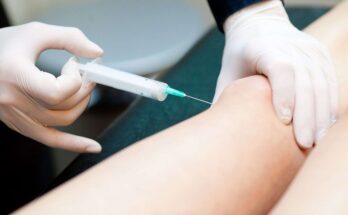
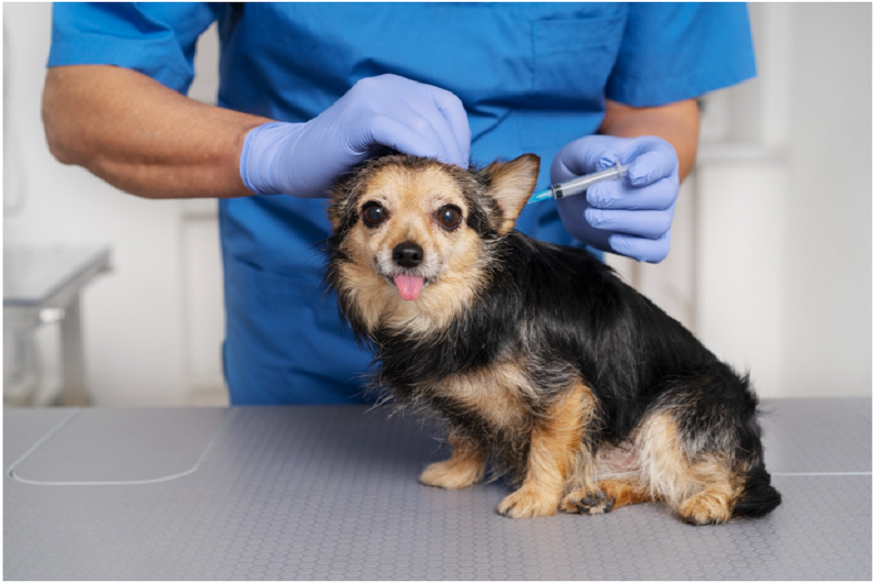
In the event of a potential rabies exposure, it is crucial to seek medical attention immediately and undergo post-exposure prophylaxis (PEP) treatment. PEP typically involves a series of rabies vaccinations and the administration of rabies immunoglobulin, which can help neutralize the virus and prevent the onset of the disease.
The Rabies Vaccinations Schedule
For individuals at high risk of rabies exposure, such as healthcare workers, veterinarians, and those living in or traveling to areas with a high incidence of rabies, pre-exposure rabies vaccinations are recommended. The typical schedule for pre-exposure rabies vaccinations consists of three doses:
- Initial Dose: The first dose is administered on day 0, which serves as the initial priming dose to stimulate the immune system.
- Second Dose: The second dose is given on day 7, approximately one week after the first dose. This helps to boost the immune response and ensure adequate antibody levels.
- Third Dose: The third and final dose in the pre-exposure series is given on day 21 or 28, further strengthening the body’s immunity against the rabies virus.
After the initial three-dose series, periodic booster shots may be recommended to maintain sufficient antibody levels. The need for booster shots is usually determined by monitoring the individual’s rabies antibody titers through blood tests.
Conclusion
Rabies vaccinations should be a top priority for individuals and communities around the world. By promoting awareness, increasing access to vaccines, and addressing myths and misconceptions, we can help prevent the devastating consequences of this deadly virus and protect vulnerable populations. Remember, the time to act is now – don’t wait until it’s too late.